
The best medical imaging is often thought of as having more detailed images. However, the fact is that radiology that is useful has higher purpose. It is crucial to know the extent to which a medical exam can provide the necessary information for a particular circumstance.
A patient with a suspicion of joint problem, for example may have a completely different diagnostic question from someone going through breast imaging or a check of the prostate. Modern radiology does not rely on a single scanner for every situation, but instead uses a technique of range imaging to tackle the differences.
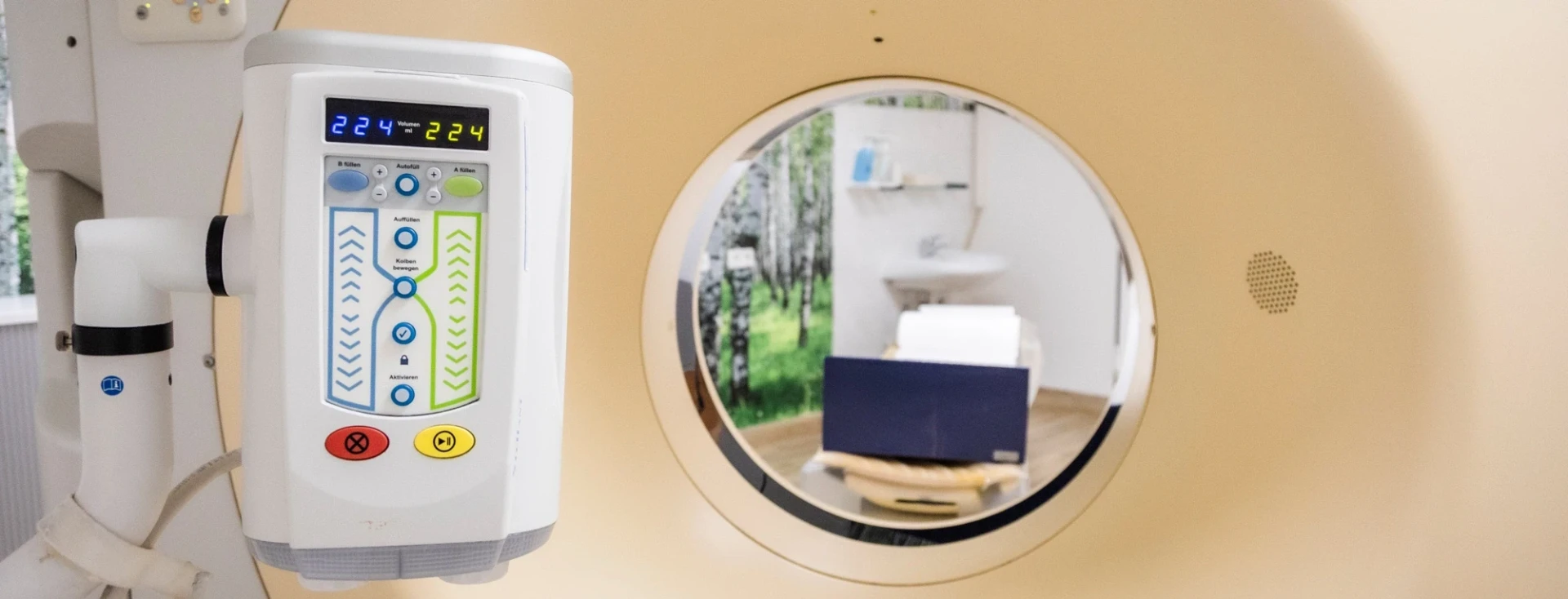
Image credit: diagnostikzentrum-wolfsburg.de
Patients can access a wide array of diagnostic services and imaging-guided procedures at the Wolfsburg Diagnostic Center.
Different Parts of The Body Show Theirself Differently
The appearance of soft tissues, bones organs, joints and soft tissue can differ depending on the imaging method used.
Magnetic resonance imaging can be particularly useful for obtaining detailed images of soft tissue. The Wolfsburg Diagnostic Center uses two 1.5 Tesla MRIs to examine the brain, spines joints, internal organs, and soft tissues.
MRI does not use X-rays. The center also offers focused examinations, including prostate MRI and whole-body MRI as long as it is medically permissible.
The practical lesson for patients is simple: the term “MRI” describes the technology, but the medical question will determine how the technology is used.
CT provides a different point of perspective
The role CT plays in diagnosing medical conditions is distinct. CT uses X Rays to produce precise cross-sectional pictures of the body. At the Wolfsburg Diagnostic Center the examinations are carried out using low-dose technologies that are designed to minimize radiation exposure while maintaining the image quality needed for evaluation. For more information, click here privat MRT
The medical situation will determine the most appropriate imaging technique. Advanced sounding does not necessarily mean that it is more appropriate.
Digital X-Ray is still relevant
MRI, CT and other imaging technologies are gaining a lot more attention. This can make conventional images of X-rays seem old-fashioned. Modern digital X-rays tell a different story.
Digital systems remain an efficient method to study the skeletal system. High-resolution imaging is paired with radiation-safe procedures in the most modern equipment.
The newer technology is not just replacing old methods but are also broadening the options for radiologist.
Breast Imaging shows the benefits of a Focused Methods
Breast diagnostics are another illustration of imaging that is specialized. The center provides breast ultrasound, 3D mammography (or tomosynthesis) as well as mammography. These technologies provide different forms of information about imaging and can be utilized based on the specific medical conditions of the patient.
Radiology is not an anomaly. To be able to utilize imaging efficiently, you need to first comprehend what is needed to be investigated.
Imaging can help guide treatment
Radiology isn’t limited to finding or detecting abnormalities. The Wolfsburg Diagnostic Center also performs CT-guided periradicular treatment (PRT), in which CT imaging gives guidance throughout the procedure. Another treatment option is low-dose radiation therapy.
These examples show how image technology is able to surpass the simple observation and may play a significant role in guiding precise medical treatment.
Focusing on a specific question with the utmost precision
Modern diagnostic centers are not limited by the number of equipment they use. The importance of a diagnosis center is also determined by the application of the right technology to the specific medical need that is clearly defined and skilled specialists who interpret the images.
During Wolfsburg’s hours of consultation, patients can receive different radiological tests or receive expert treatment and be able to discuss their findings.
It’s more than just making additional images. It’s to provide clinically useful information that will aid physicians and patients to better understand the medical questions being investigated.