
Restaurant owners will open their monthly P&L reports, and look at the sales, and then go to the bottom and close the report.
Do these sound like familiar to you?
The report may be perfectly accurate, but if those are the only two numbers to be reviewed the majority of its value is ignored.
A good bookkeeping program for restaurants shouldn’t increase the dependence of proprietors on accountants. It should help them feel confident in their own numbers. There is no need to be familiar with every accounting rule or do a lot of work in the evenings completing invoices. It’s essential to know what caused the change in profit as well as what happened to the use of labor and food and which areas require attention next week.
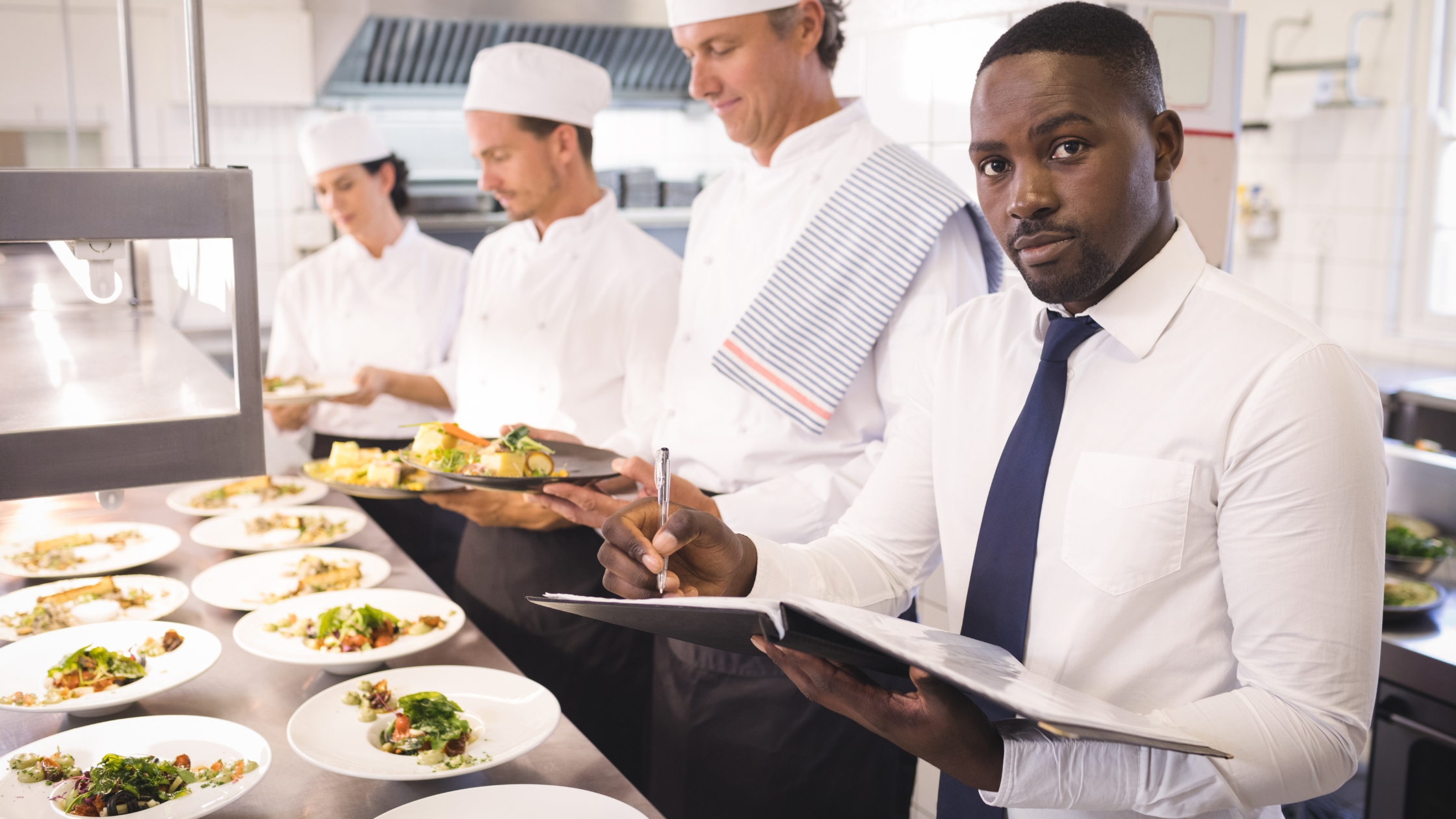
This is the premise behind Bookkeeping Chef: Automate the bookkeeping task that doesn’t need an owner’s time and gives restaurant managers clearer financial information they can actually utilize.
It is recommended to begin by looking at Weekly Numbers and Not Just Month-End
Restaurants don’t operate on a monthly basis. Managers schedule labor for the week. Chefs order food right now. Vendors change prices now.
Bookkeeping Chef offers weekly flash reports on the top costs, together with monthly financial reports.
The prime cost comprises two important aspects that can be easily transferred in a food service establishment: cost of goods sold, and labor. Based on the information from Bookkeeping Chef, prime cost accounts for about 60% of the sales at restaurants.
Imagine that sales barely changed but the primary cost increased. This alone won’t be the solution. It provides the person with the reason to conduct an investigation.
Did you notice an increase in the amount of time worked? Was overtime a factor? Food prices changed? A vendor’s invoice appeared to be unusually large? Has the mix of sales changed?
This is much more valuable than discovering the same issue several weeks later.
Let Automation Handle the Repetitive Work
The DIY bookkeeping process doesn’t have to be limited to manually transposing POS numbers into spreadsheets.
Automating the bookkeeping process in restaurants can help eliminate repetitive data movement. The service connects POS systems and QuickBooks, vendor platforms Recipe and inventory management, payment instruments and AP.
Automation is not the goal.
It’s to make it easier for manual data entry, and keep financial records updated so that the owners are able to spend their time looking over data instead of assembling it.
It’s a totally new bookkeeping process for restaurant establishments. Technology takes care of the mechanics and the restaurant owner remains engaged with the financial aspects.
If you have more questions, you can ask them about P&L
A P&L will be much more manageable when you stop thinking of it as an accounting exam.
Begin by studying the number of sales. Next, look at the costs of production. Compare the food and beverage industry’s performance. Check the cost of labor. Move down through operating expenses and then look at what’s left.
Also, you should compare the time periods.
If profit increased but sales rose, wasn’t, something else between those two lines changed. If the cost of food was up, you should ask about the changes operationally. If the labor percentage changed in the past, look at sales and staffing activity. Check if the percentage seems odd, rather than assuming that the restaurant had a bad period.
Bookkeeping Chef will send monthly P&Ls on five working days. This lets the owners look at recent performance without waiting for financial statements, which often arrive months later than the end of an operational period.
For those who are looking for bookkeeping restaurant solutions, speed can be beneficial however understanding is the greater aim.
It’s not necessary to build everything.
It is not necessary to be your own bookkeeper full-time if you want to avoid giving the entire financial responsibility over to another person.
The owner is able to remain involved without manually performing every accounting job.
It could be as easy as using automated system connections to keep the information flowing. Or it could be as extensive and intricate a study of the month’s P&L or a study of a weekly Prime-cost Report.
Specialized restaurant bookkeeping services can support that approach by keeping the underlying books organized while helping the owner understand what the reports mean.
The result is not an owner who knows how to perform every bookkeeping function.
An owner can have a conversation with an P&L and have a frank conversation about their business.
The Objective Is Financial Independence, Not More Reports
Restaurants already produce huge quantities of information. Dashboards don’t always make sense.
The real value comes when an operator is able to open a P&L report, be aware that there was a change and then look at the reports on the cost of prime.
Bookkeeping Chef’s method combines restaurant bookkeeping automation daily reporting and monthly P&Ls. restaurant-specific financial support to help you achieve this.
Automate repetitive tasks. Review prime cost every week. Study the language used in your P&L.
You don’t need to be a professional accountant.
Owners who are familiar with the financial aspects of their own restaurants will be able to make better choices.